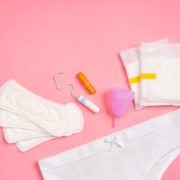

PMS (premenstrual syndrome) is the name for the emotional and physical symptoms that happen before or during the menstrual period. PMS is caused by the changes in hormones throughout the menstrual cycle and these symptoms are often clues that a period is on its way. PMS can start up to a week before the period begins and continue through the first few days of bleeding.
PMS symptoms
Your preteen or teen might experience some of these PMS symptoms just before their period and during the first couple of days of bleeding:
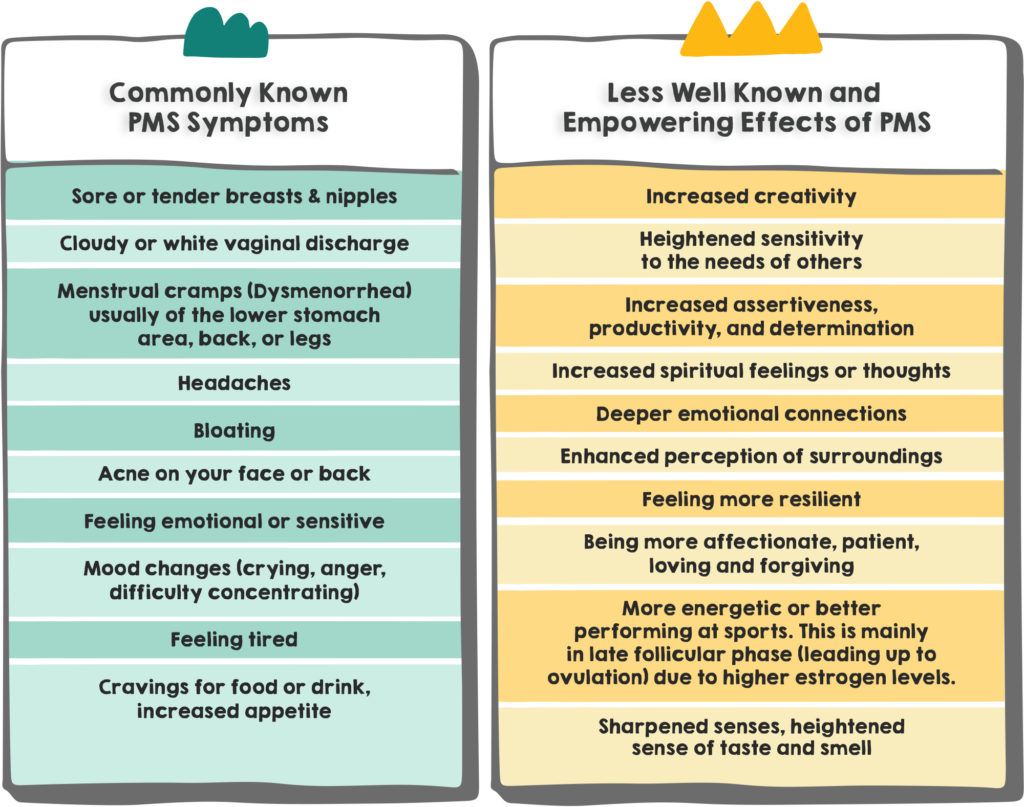
As you can see, PMS can have some positive aspects that you may have never heard before. And no matter what PMS symptoms your preteen or teen experiences, remind them that they are not alone — most people have some PMS symptoms during their period, and they go away after the first few days. Tell your preteen or teen it’s normal to have PMS symptoms before and during their periods. Encourage them to come to you if they have questions, doubts, or are struggling with any PMS symptoms.
What is PMDD?
PMDD (Premenstrual Dysphoric Disorder) is a severe form of PMS where people experience severe irritability, depression, or anxiety in the week or two before their period starts. Symptoms usually go away two to three days after the beginning of menstrual bleeding. If you think your preteen or teen might be experiencing PMDD we recommend that you take them to see a doctor.
Helping them relieve their symptoms
Most people have experienced PMS symptoms during their period, but the good part is that they can be managed while you are having them and they go away after the first few days. BLOOM encourages taking a natural approach to health and wellness, but we understand the importance and place for conventional medicine too. Here are our top tips for making periods for your preteen or teen as pain-free as possible.
Be sure they eat well
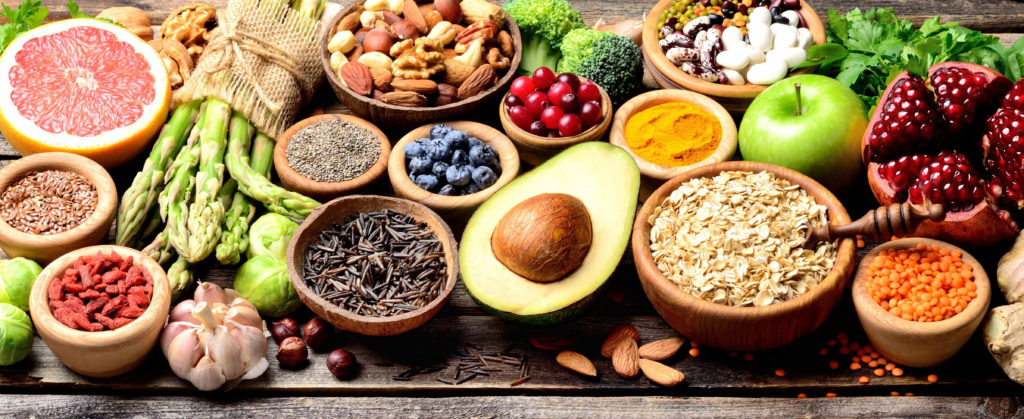
- Encourage them to eat nourishing foods and hydrate well with water.
- Talk with their doctor or gynecologist about adding specific vitamins and herbs like vitamin B1, fish oil, fenugreek, ginger, valerian, zataria, and zinc sulfate into their diet or supplement regime. Magnesium supplements and Vitamin B1 may help to reduce cramps, bloating, and other PMS symptoms.
Encourage them to listen to their body
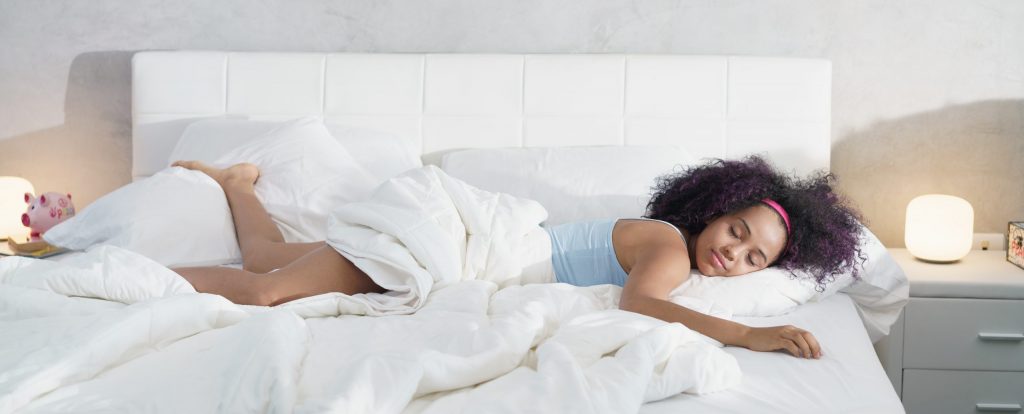
- They may sometimes need extra rest. Encourage them to listen to what their body needs, and to be extra compassionate with themself during this time.
- Exercise, including walks, or participation in any activity that increases the heart rate and blood flow can help alleviate PMS symptoms and period cramps.
- Some preteens or teens may seek out calming sensory input such as music, deep pressure (hugs, weighted blanket), essential oils, etc. Help your preteen or teen develop a “toolkit” that meets their needs.
- Yoga, meditation, or deep breathing techniques have been instrumental in improving and enriching our lives. Feel free to utilize our amazing resources for these practices — we are so excited to share them with you!
- Depending on their preference, have them use a heating pad or cold pack, to soothe cramps: a heating pad or cold pack on the abdomen can work wonders. Likewise, a hot bath with Epsom salts can help to soothe PMS discomfort.
- In the case of painful period cramps, talk with your preteen or teen about safe usage of over-the-counter pain medicine like ibuprofen (Advil), naproxen (Aleve), or acetaminophen (Tylenol).
Take them to see a specialist if needed
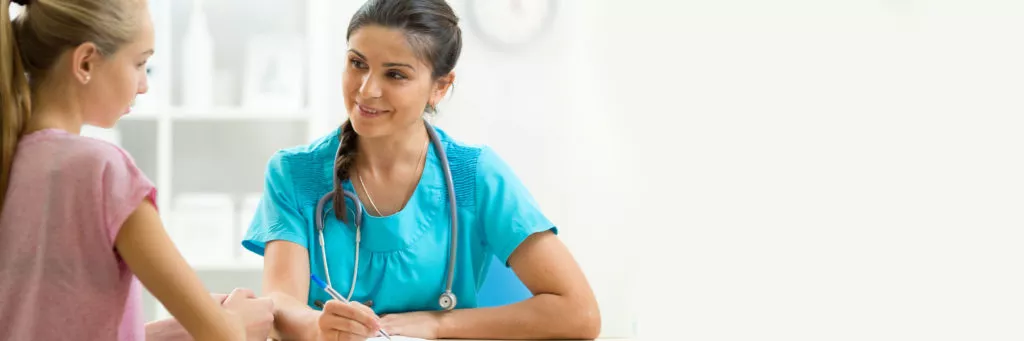
- An acupuncturist or herbalist may be able to offer treatments for PMS symptoms.
- Talk to a gynecologist to help manage your preteen or teen’s period and PMS symptoms, if problematic.